

Benefits
ARE YOU THRIVING?
U.S. adults report frequent stress, with 76% saying it harms their health and 40% saying it disrupts their daily function (1,2,3).
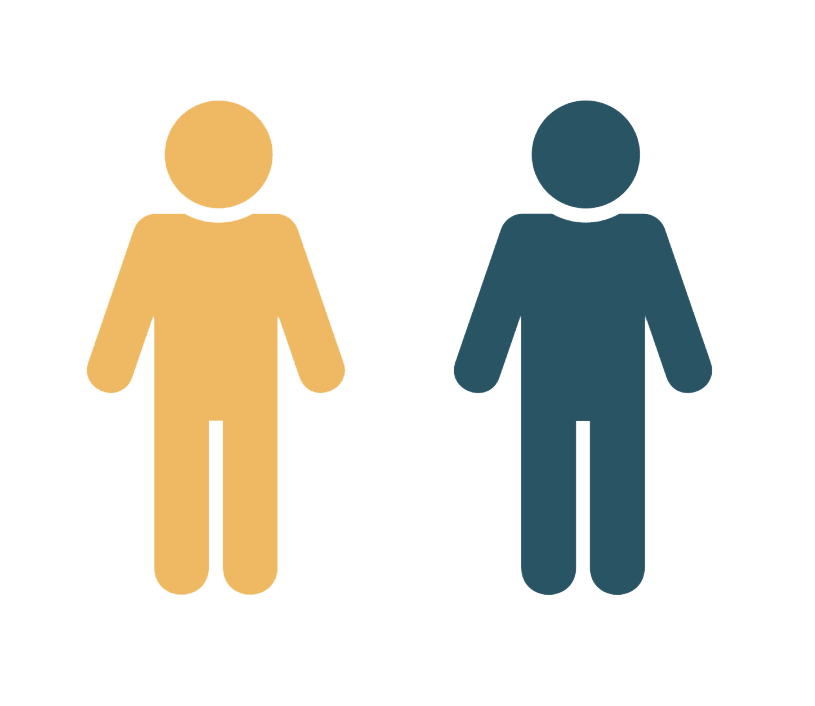
1 in 2
U.S. adults do not get the recommended 7+ hours of sleep, and an estimated 50–70 million adults have a least one sleep disorder (4,5).
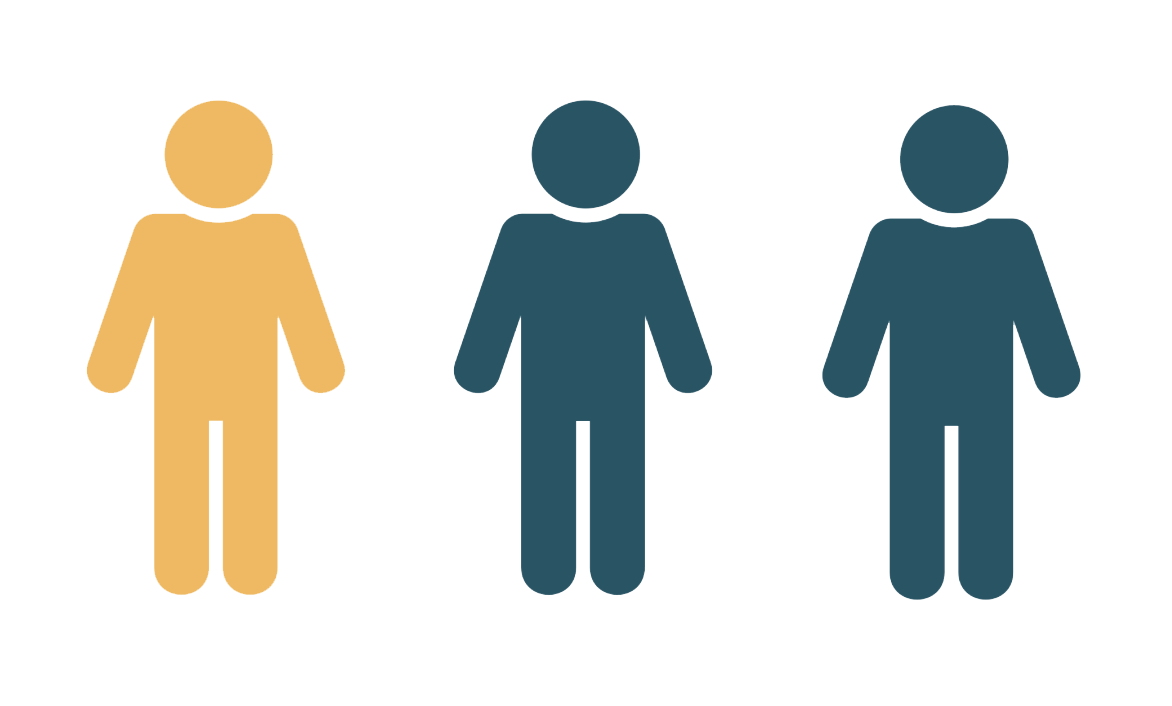
1 in 3
U.S. adults report feeling tired or fatigued on a regular basis with only 49% saying they feel they are “thriving” (6,7).
1 in 3
Regenesis Neuro’s evidence-based approach improves sleep, reduces stress symptoms, sustains mental clarity under pressure, and builds cognitive reserve, enabling you to thrive.
Synergistic Approach For Amplified Results
Regenesis Neuro uses low-energy neurofeedback (LENS), along with other integrated therapies: Audio-Visual Entrainment (AVE), Cranial Electrical Stimulation (CES), and Photobiomodulation (red light therapy). Each are supported by clinical research with proven results:
Reduced stress and mental fatigue

Improved attention & focus
Improved sleep quality and duration
Increased mood regulation
Increased emotional resilience
Decreased symptoms of anxiousness & depression
SESSIONS ARE:
Just 20 minutes
Non-invasive
Performed onsite or offsite
Talk-free, no active participation
Effective, with results often seen within three sessions (8).
Give your brain what it needs so you can function at your best.
1. Gallup, State of the Global Workplace 2024; American Institute of Stress, Stress Statistics. 2. American Psychological Association, “Stress in America™ survey, 2023”. 3. American Psychological Association, “Stress in America™ 2022–2023”. 4. NIH/NHLBI, “Sleep Deprivation and Deficiency,” 2022. 5. NIH/NHLBI and NIH MedlinePlus, sleep statistics (50–70 million with sleep disorders). 6. Freeman & Cheng,“ Demographic correlates of fatigue in the US general population,” J Psychosom Res, 2016. 7. Gallup News, “New Normal: Lower U.S. Life Ratings,” Jan 18, 2024. 8 Larsen S, Harrington K, Hicks S. The LENS (Low Energy Neurofeedback System): “A clinical outcomes study on one hundred patients at Stone Mountain Center”, New York. J Neurotherapy. 2006;10(2-3):69-78.